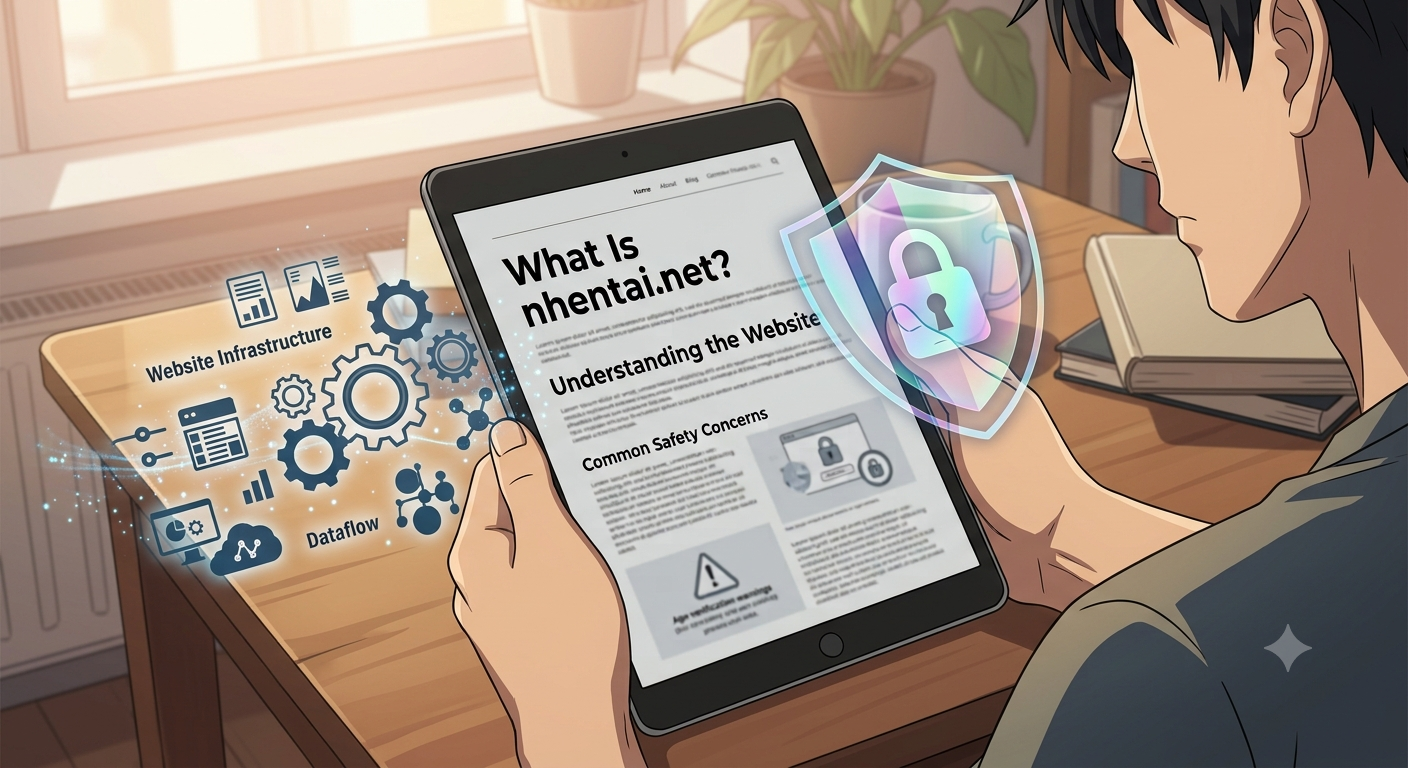
The internet contains thousands of websites covering a wide variety of topics, and users often encounter unfamiliar domain names through search engines, forums, or social media. One such keyword is nhentai.nhet, which raises questions about what it is, whether it is legitimate, and whether it is safe to visit.
If you’ve come across this keyword, it’s important to understand that websites using unusual or unfamiliar domain names should always be approached with caution. This guide explains what nhentai.nhet appears to represent, highlights common online safety concerns, and shares practical tips to help you browse the web more securely.
What Is nhentai.nhet?
The keyword nhentai.nhet appears to refer to a domain associated with, or imitating, an adult-content website. Because unofficial or lookalike domains frequently appear online, users should verify whether a website is genuine before interacting with it.
Clone or unofficial domains may differ from an official website by only a few letters or a different domain extension. These sites can sometimes be created to attract visitors, display excessive advertising, collect personal information, or distribute unwanted software.
For that reason, users should avoid assuming that a website with a familiar-looking name is authentic.
Why Do People Search for nhentai.nhet?

Users may search for nhentai.nhet for several reasons, including:
- To determine whether the website is legitimate.
- To understand if it is safe to visit.
- To learn whether it is an official or unofficial domain.
- To check for privacy or security concerns.
- To find information before accessing the site.
These searches often reflect a desire to stay informed and avoid potential online risks.
Common Safety Concerns
Whenever you encounter an unfamiliar website, several security considerations are worth keeping in mind.
Unofficial or Clone Domains
Some websites use names that resemble well-known platforms in an attempt to attract visitors. Always verify the exact domain before entering personal information.
Privacy Risks
Websites may collect browsing information, cookies, or account details. Reading a site’s privacy policy can help you understand how your data may be handled.
Excessive Advertising
Some unofficial websites display aggressive pop-ups or redirects that can negatively affect the browsing experience and potentially expose users to misleading content.
Phishing Attempts
Fake websites may attempt to imitate legitimate services to trick users into revealing usernames, passwords, or payment information.
Malware Downloads
Avoid downloading unknown files or software from websites you have not verified, as they may contain malicious programs.
How to Browse More Safely
If you visit unfamiliar websites, following basic cybersecurity practices can significantly reduce your risk.
Verify the Domain Name
Double-check the website address for spelling differences or unusual domain extensions.
Use Updated Software
Keep your browser, operating system, and security software up to date to benefit from the latest protections.
Avoid Sharing Personal Information
Only provide personal or financial information to websites you trust and have verified.
Enable Security Features
Use browser security settings, two-factor authentication where available, and reputable antivirus software.
Watch for Warning Signs
Be cautious if a website contains:
- Unexpected redirects
- Numerous pop-up windows
- Requests for unnecessary personal information
- Suspicious download prompts
- Missing contact or policy information
How to Identify a Trustworthy Website

A trustworthy website typically demonstrates transparency and good security practices.
Look for:
- HTTPS encryption
- Clear privacy and terms of use pages
- Contact information
- Consistent branding
- Reasonable advertising practices
- Positive reputation from reliable sources
No single factor guarantees legitimacy, but several of these indicators together can help you make a more informed decision.
Why Online Privacy Matters

Regardless of which websites you visit, protecting your privacy should always be a priority.
Consider these habits:
- Use strong, unique passwords.
- Enable two-factor authentication whenever possible.
- Keep your browser updated.
- Avoid reusing passwords across multiple websites.
- Review privacy settings regularly.
- Log out of accounts when using shared devices.
Good online habits improve your security across all websites, not just one.
Best Practices for Responsible Browsing
Responsible internet use helps reduce exposure to scams and malicious websites.
Some helpful practices include:
- Visit only websites you trust.
- Verify URLs before clicking links.
- Avoid downloading unknown files.
- Use a reputable security solution.
- Be cautious when following links from emails or social media.
- Stay informed about common phishing techniques.
Developing these habits can make your online experience safer and more secure.
Conclusion
The keyword nhentai.nhet appears to refer to a domain associated with, or resembling, an adult-content website. Because unofficial or lookalike domains can pose privacy and security risks, users should verify website authenticity before interacting with them.
Whether you’re researching an unfamiliar website or simply trying to browse more safely, understanding common online risks and following good cybersecurity practices can help protect your personal information and devices. Staying cautious, verifying domains, and avoiding suspicious downloads are simple but effective ways to improve your online safety.
Frequently Asked Questions (FAQs)
1. What is nhentai.nhet?
It appears to be a domain associated with, or imitating, an adult-content website. Users should verify its authenticity before visiting.
2. Is nhentai.nhet an official website?
Users should independently verify whether a domain is official, as similar-looking or clone domains can exist.
3. Is nhentai.nhet safe to use?
Safety depends on the specific website. As with any unfamiliar site, avoid sharing personal information, verify the domain, and follow standard cybersecurity practices.
4. Why do people search for nhentai.nhet?
Common reasons include checking whether the website is legitimate, learning about potential security risks, and understanding what it is.
5. How can I tell if a website is trustworthy?
Look for HTTPS encryption, clear contact information, transparent privacy policies, and a consistent online reputation.
6. What are the risks of visiting unofficial websites?
Potential risks include phishing, malware, misleading advertisements, unwanted redirects, and privacy concerns.
7. How can I browse unfamiliar websites more safely?
Verify the domain, keep your software updated, avoid downloading unknown files, and never share sensitive information unless you trust the site.
8. Why is online privacy important?
Protecting your privacy helps reduce the risk of identity theft, account compromise, data collection, and other cybersecurity threats.

Leave a Reply