Recycling has become an important part of modern life as individuals, businesses, and communities look for practical ways to reduce waste and protect the environment. As concerns about plastic pollution, overflowing landfills, and unnecessary resource consumption continue to grow, people are searching for better ways to manage the materials they use every day. Matarecycler is a keyword associated with the broader idea of recycling, responsible waste management, and sustainable practices.
Understanding the principles behind recycling can help people make better decisions about what they buy, use, reuse, and throw away. This guide explores the concept of matarecycler, the importance of recycling, common recyclable materials, practical recycling tips, and how responsible waste management can contribute to a cleaner future.
What Is Matarecycler?
The term matarecycler can be understood in the context of modern recycling and environmentally responsible waste management. At its core, recycling involves collecting used materials, processing them, and transforming them into usable materials or products.
Instead of treating every discarded item as waste, recycling encourages people to identify materials that still have value. Paper, cardboard, glass, certain plastics, and metals are examples of materials that may be recyclable depending on local recycling facilities and rules.
The concept behind matarecycler emphasizes awareness and responsible action. Recycling is not simply about putting something into a recycling container; it also involves understanding which materials can be processed and preparing them correctly.
Why Is Matarecycler Important?
Waste management is one of the major challenges facing communities around the world. As populations grow and consumption increases, the amount of waste produced can also increase Matarecycler.
Recycling can help reduce the volume of materials sent to landfills while giving certain resources another useful purpose. It can also encourage people to think more carefully about consumption and waste.
A strong recycling culture can benefit communities in several ways:
- It can reduce unnecessary landfill waste.
- It can encourage responsible use of natural resources.
- It can support more sustainable manufacturing.
- It can increase environmental awareness.
- It can encourage reuse and responsible consumption.
While recycling is not a complete solution to every environmental problem, it is an important part of a broader waste-reduction strategy.
Common Materials That Can Be Recycled
One of the easiest ways to become a better Matarecycler is to understand common recyclable materials.
Paper and Cardboard
Newspapers, office paper, magazines, and cardboard boxes are commonly recyclable materials. However, heavily contaminated or wet paper may not be accepted by some recycling programs.
Flattening cardboard boxes before recycling can also save space during collection and transportation.
Glass
Many glass bottles and containers can be recycled. Glass recycling can help recover useful material and reduce the need to produce certain new glass products from raw resources.
It is important to follow local recycling guidelines because accepted glass types can vary between communities.
Metal
Aluminum cans, steel containers, and certain other metal products may be recyclable. Metals are valuable materials because they can often be processed and reused in manufacturing Matarecycler.
Before Matarecycler metal containers, consumers should follow their local collection instructions.
Plastic
Plastic recycling can be more complicated because different types of plastic have different properties. A recycling symbol does not necessarily mean that every local recycling program accepts that particular plastic item Matarecycler.
Checking local guidelines is therefore essential.
How to Recycle More Effectively
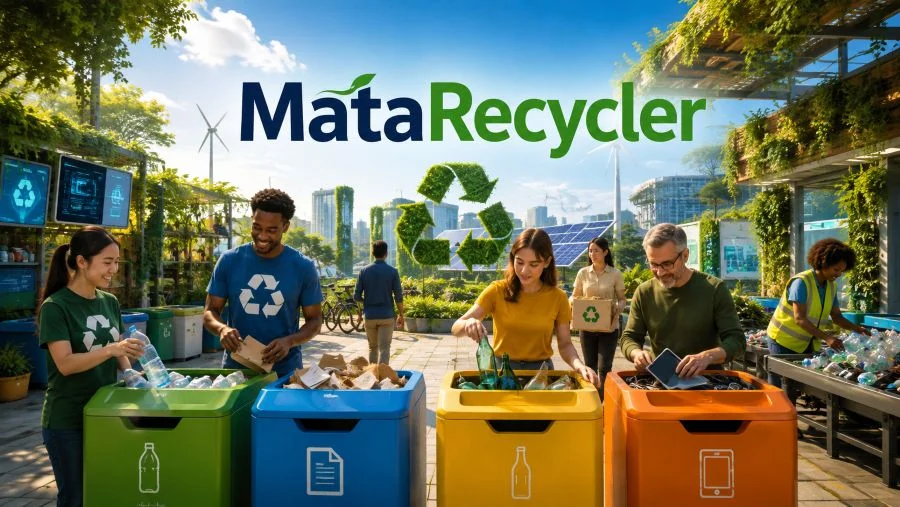
Good recycling habits start with simple daily actions.
Learn Local Recycling Rules
Recycling programs are not identical everywhere. Some communities accept a wide range of materials, while others accept only specific categories.
Before placing an item in a recycling bin, check the rules provided by your local waste-management authority.
Keep Recyclables Clean
Food residue and liquids can contaminate recyclable materials. Rinsing containers when appropriate and following local preparation instructions can help improve the quality of collected materials.
However, excessive washing can unnecessarily waste water, so simple and practical cleaning is usually preferable.
Reduce Before You Recycle
Recycling is useful, but reducing consumption can be even more effective. Before purchasing a product, consider whether you really need it and whether a reusable alternative is available.
For example, reusable shopping bags, refillable water bottles, and durable containers can reduce the amount of disposable waste generated over time.
Reuse Items When Possible
Many products can be reused instead of immediately discarded. Glass containers, boxes, clothing, furniture, and other household products may have a second life.
Reusing an item can extend its usefulness and delay the point at which it becomes waste.
Matarecycler and Sustainable Living
The idea of matarecycler fits naturally into the larger movement toward sustainable living. Sustainability is not about making every decision perfectly. Instead, it involves making practical choices that reduce unnecessary environmental impact.
A household can begin with small changes. Separating recyclable materials, avoiding unnecessary single-use products, repairing damaged items, and donating usable possessions are all simple actions.
Over time, these habits can become part of a normal lifestyle rather than feeling like additional work.
Benefits of Developing Better Recycling Habits
Developing responsible recycling habits can provide benefits beyond environmental protection.
Cleaner Communities
Proper waste separation and disposal can help keep streets, public spaces, and neighborhoods cleaner.
Greater Environmental Awareness
People who learn about recycling often become more aware of consumption, packaging, resource use, and waste generation.
More Responsible Consumption
Recycling can encourage consumers to think about what happens to products after they are no longer needed.
Support for a Circular Economy
A circular economy aims to keep materials and products in use for as long as possible. Recycling, repair, reuse, and remanufacturing can all contribute to this approach.
Common Recycling Mistakes to Avoid
Even people with good intentions can make recycling mistakes. One common problem is placing items in a recycling bin simply because they appear recyclable.
Another mistake is putting food-contaminated materials into recycling collections without checking whether they can be accepted.
Plastic bags, batteries, electronics, chemicals, and other specialized materials may require separate collection systems. They should not automatically be placed with ordinary household recyclables.
The best approach is to check official local guidelines whenever there is uncertainty.
Technology and the Future of Recycling
Technology is playing an increasingly important role in waste management. Modern recycling facilities can use automated sorting systems, sensors, and advanced processing equipment to identify and separate different materials.
Digital tools can also make it easier for consumers to learn how and where to recycle specific products.
As technology develops, recycling systems may become more efficient and better equipped to recover valuable materials from waste.
The future of recycling will likely depend on cooperation between consumers, manufacturers, businesses, governments, and waste-management organizations. Everyone has a role to play in reducing unnecessary waste.
Practical Matarecycler Tips for Everyday Life
If you want to adopt better recycling habits, start with manageable steps:
- Keep separate containers for different recyclable materials when appropriate.
- Learn the recycling rules in your local area.
- Avoid putting unknown materials into recycling bins.
- Reuse containers and bags whenever practical.
- Reduce purchases that contain unnecessary packaging.
- Donate usable clothing and household products.
- Repair products instead of replacing them when possible.
- Dispose of electronics and batteries through appropriate collection programs.
- Encourage family members to participate in recycling.
- Continue learning about sustainable waste management.
Small actions can become powerful when many people practice them consistently.
Conclusion
Matarecycler represents an idea closely connected with recycling awareness, responsible waste management, and sustainable living. Recycling is an important way to recover valuable materials, reduce waste, and encourage more thoughtful consumption.
However, effective environmental responsibility goes beyond recycling alone. Reducing unnecessary purchases, reusing products, repairing items, donating useful possessions, and choosing durable alternatives can all contribute to a more sustainable lifestyle.
The most important step is simply to begin. By learning local recycling rules and developing practical daily habits, individuals can make responsible waste management a normal part of everyday life. With greater awareness and continued innovation, recycling can remain an important part of building cleaner and more sustainable communities.


Leave a Reply