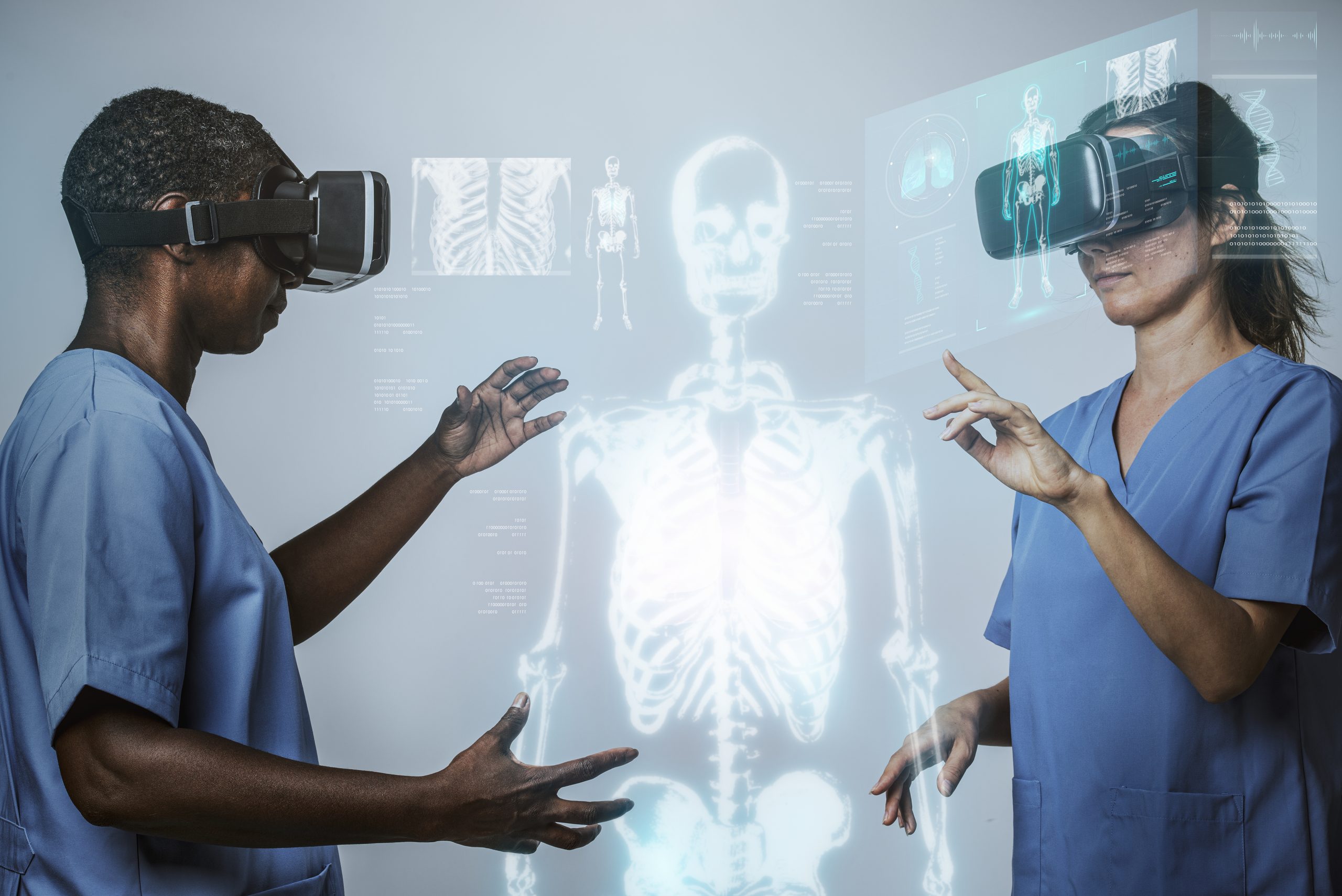
Diag image technology has become the cornerstone of modern healthcare, enabling clinicians to look inside the human body with clarity and precision that was once unimaginable. From early disease detection to treatment planning and long-term monitoring, diag image systems are transforming how medical professionals diagnose and manage patient conditions. As medical imaging workstations continue to evolve, they play an integral role in clinical workflows, helping providers achieve faster, more accurate diagnoses and ultimately improve patient care outcomes.
In this comprehensive guide, we explore what diag image technology is, how it works, its benefits, key components, and why it is essential for healthcare systems seeking accuracy, efficiency, and innovation.
What Is Diag Image Technology?

Diag image refers to advanced diagnostic imaging systems used in modern healthcare to visualize internal organs, tissues, bones, and physiological processes. These systems include technologies such as:
- X-ray imaging
- Computed Tomography (CT)
- Magnetic Resonance Imaging (MRI)
- Ultrasound imaging
- Nuclear medicine imaging
Together, these modalities create high-resolution images that assist clinicians in detecting abnormalities, injuries, and diseases at early stages.
The true power of diag image technology lies not only in image capture but also in its integration with medical imaging workstations, which allow clinicians to process, analyze, enhance, and interpret data with precision.
The Importance of Diag Image in Modern Healthcare
Healthcare today demands speed, accuracy, and reliability. Diag image systems support these requirements by providing real-time visual insights into patient anatomy and pathology.
1. Early Disease Detection
Early diagnosis significantly improves treatment outcomes. Diag image systems allow physicians to detect conditions such as:
- Cancer tumors
- Cardiovascular disease
- Neurological disorders
- Internal injuries
- Musculoskeletal abnormalities
By identifying issues before symptoms worsen, diag imaging plays a critical preventive role.
2. Accurate Diagnosis
Misdiagnosis can lead to ineffective treatment plans. Advanced diag image workstations provide high-definition imaging, 3D reconstruction, and contrast enhancement tools that increase diagnostic confidence and reduce error rates.
3. Improved Treatment Planning
Diag image data supports:
- Surgical planning
- Radiation therapy mapping
- Orthopedic procedures
- Interventional radiology
Precise imaging ensures targeted treatments with minimal damage to surrounding healthy tissue.
How Diag Image Technology Works

Understanding how dia image systems operate highlights their transformative impact.
Image Acquisition
Imaging equipment captures data using different physical principles:
- X-rays pass through tissue at varying absorption rates.
- MRI uses magnetic fields and radiofrequency pulses.
- Ultrasound uses sound waves.
- CT combines multiple X-ray images into cross-sectional views.
Each modality serves a specific diagnostic purpose.
Image Processing and Reconstruction
Once captured, raw data is processed through advanced algorithms. Modern dia image workstations enhance contrast, adjust brightness, remove artifacts, and reconstruct 3D models for better visualization.
Image Interpretation
Radiologists and specialists use workstation software tools such as:
- Zoom and pan features
- Measurement tools
- Annotation capabilities
- AI-assisted detection systems
These tools improve interpretation speed and diagnostic accuracy.
The Role of Medical Imaging Workstations
Medical imaging workstations are at the heart of dia image technology. They act as centralized platforms where imaging data is analyzed, stored, and shared.
Key Features of Modern Workstations
- High-resolution diagnostic monitors
- PACS (Picture Archiving and Communication System) integration
- Cloud-based storage capabilities
- AI-powered analysis tools
- Multi-modality image comparison
These features streamline clinical workflows and improve communication between departments.
Workflow Efficiency
Dia image workstations reduce administrative delays by allowing instant access to patient scans. Physicians can review images remotely, enabling telemedicine and faster consultation across healthcare facilities.
Benefits of Diag Image Systems
Enhanced Patient Safety
Modern dia image technology reduces exposure to radiation through optimized imaging protocols. Additionally, accurate imaging reduces the need for repeat scans.
Faster Turnaround Times
With digital image transmission and automated reporting systems, clinicians can diagnose conditions more quickly than ever before.
Improved Collaboration
Diag image platforms allow radiologists, surgeons, oncologists, and primary care physicians to collaborate efficiently using shared digital imaging data.
Cost Efficiency
Although advanced imaging systems require initial investment, they reduce long-term costs by minimizing unnecessary procedures and improving treatment accuracy.
The Integration of Artificial Intelligence in Diag Image
Artificial Intelligence (AI) is revolutionizing diag image technology. AI algorithms can:
- Detect early-stage tumors
- Identify fractures
- Flag abnormalities in scans
- Assist with predictive analytics
AI-supported dia image systems enhance accuracy and reduce clinician workload, allowing professionals to focus on patient-centered care.
Machine learning models continuously improve by analyzing large datasets, making dia image platforms smarter over time.
Applications of Diag Image Across Medical Specialties
Oncology
Diag image systems detect tumors, stage cancer, and monitor treatment response.
Cardiology
Advanced imaging identifies arterial blockages, heart valve defects, and structural abnormalities.
Neurology
MRI and CT scans detect strokes, brain injuries, and degenerative disorders.
Orthopedics
Bone fractures, joint damage, and spinal issues are diagnosed using detailed imaging.
Obstetrics and Gynecology
Ultrasound dia image technology monitors fetal development and reproductive health.
The Future of Diag Image Technology
The future of dia image systems is driven by innovation and digital transformation.
Cloud-Based Imaging
Cloud platforms allow secure remote access to imaging data, supporting telehealth and cross-border consultations.
3D and 4D Imaging
Advanced reconstruction techniques enable dynamic visualization of organs and blood flow in real time.
Portable Imaging Devices
Compact dia image equipment improves access to healthcare in rural and emergency settings.
Personalized Medicine
By integrating imaging data with genetic and clinical information, healthcare providers can create personalized treatment plans tailored to individual patients.
Challenges and Considerations
Despite its advantages, diag technology faces challenges:
- High equipment and maintenance costs
- Data security and patient privacy concerns
- Need for specialized training
- Integration complexity across healthcare systems
Addressing these challenges requires investment in infrastructure, cybersecurity, and professional education.
Why Diag Image Is Essential for Healthcare Providers

Healthcare systems worldwide rely on diag image solutions because they:
- Improve diagnostic accuracy
- Enhance workflow efficiency
- Support multidisciplinary collaboration
- Reduce healthcare costs long term
- Elevate overall patient outcomes
As patient expectations increase and medical complexity grows, diag technology remains indispensable.
SEO Optimization Considerations for Diag Image Content
For strong Google ranking performance, content about diag image should:
- Include the primary keyword naturally in headings and throughout the article
- Provide in-depth, authoritative information
- Use structured subheadings (H1, H2, H3)
- Maintain readability with short paragraphs and bullet points
- Address user intent (what is diag image, benefits, applications, future trends)
- Offer original, high-quality insights
Search engines prioritize informative, well-structured, and relevant content. A comprehensive guide like this meets those standards while targeting the keyword “diag image” effectively.
Conclusion
Diag image technology represents the foundation of modern diagnostic medicine. By combining advanced imaging modalities with intelligent workstations and AI-driven analysis, healthcare providers gain unprecedented insight into the human body. This capability leads to earlier detection, more accurate diagnoses, improved treatment planning, and better patient outcomes.
As innovation continues to shape the medical field, diag image systems will remain central to healthcare transformation. From hospital radiology departments to remote telemedicine platforms, the power of diag image technology is redefining what is possible in patient care — delivering precision, efficiency, and clarity when it matters most.




Leave a Reply