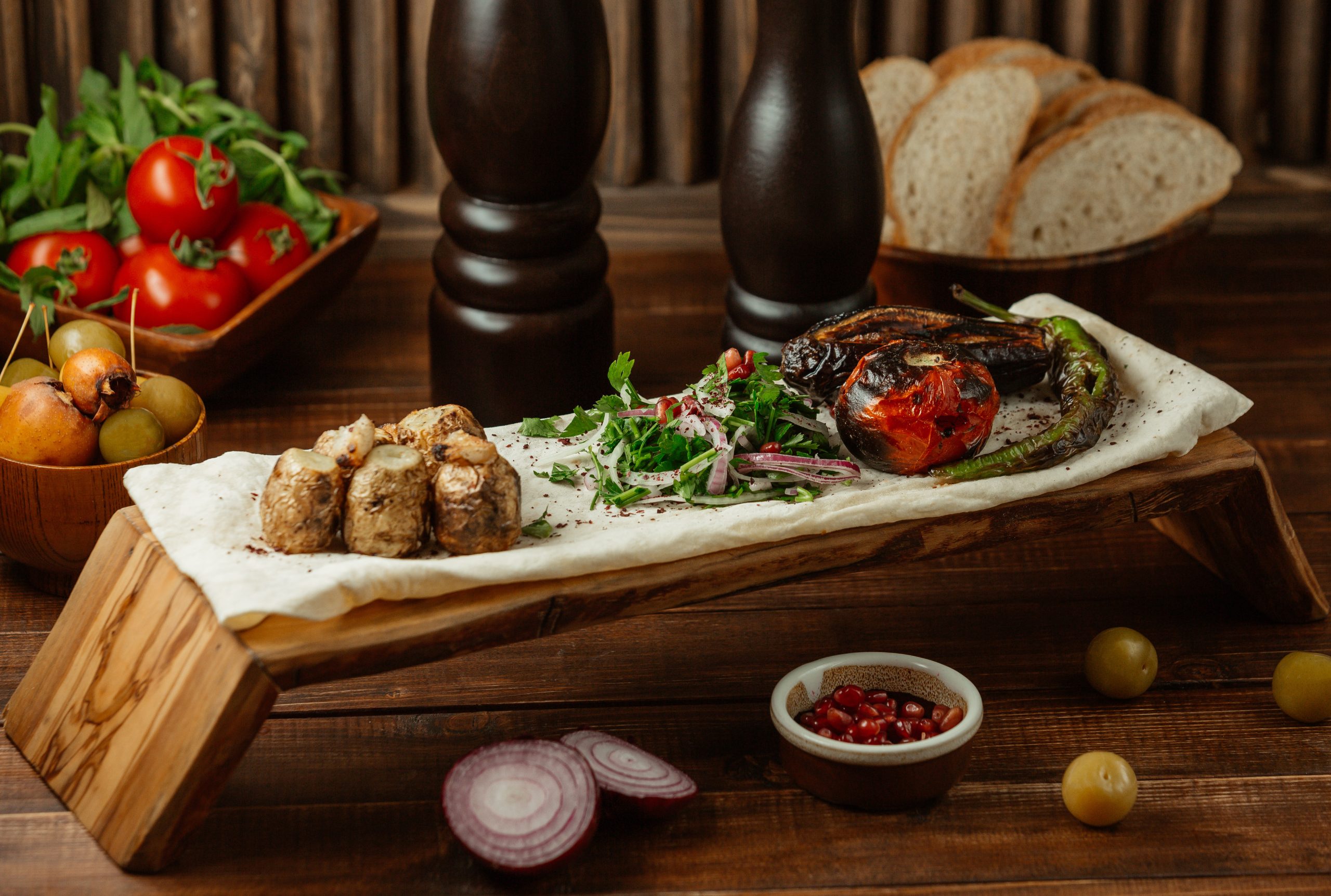
In the evolving world of nutrition-focused cuisine, levapioli is emerging as a powerful example of how traditional food can be transformed into a modern, health-supportive dish. Rooted in authentic Balkan grilling traditions yet adapted for clean eating, levapioli delivers high protein, essential nutrients, and satisfying flavor without compromising wellness goals. With increasing interest in whole foods, balanced macros, and gut-friendly diets, levapi oli stands out as a smart and nourishing option for today’s health-conscious eaters.
This article explores levapi oli in depth — from its cultural heritage and traditional preparation to its nutritional benefits, modern adaptations, and how you can incorporate it into a balanced lifestyle while optimizing for SEO and search intent.
What Is Levapioli? A Taste of Balkan Heritage
At its core, levapioli refers to a traditional Balkan grilled meat dish made from seasoned minced meat that’s hand-shaped into small sausages and cooked over open flame or charcoal. It closely resembles Balkan favorites like ćevapi/ćevapčići but has its own name and regional flavor variations.

Originating in countries like Bosnia and Herzegovina, Serbia, and Croatia, levapi oli has long been a staple of family feasts, communal gatherings, and festival meals. Its simplicity — focusing on quality ingredients and masterful grilling over complex techniques — makes levapi oli both timeless and universally appealing.
Traditional serving styles include:
- Flatbread or somun (Balkan bread) to wrap the meat
- Fresh raw onions for crunchy balance
- Ajvar (red pepper spread) or yogurt for creamy, tangy contrast
- Fresh herbs and lemon wedges to brighten each bite
The Nutrition That Makes Levapioli a Smart Choice
Levapioli is more than just a flavorful grilled specialty — it’s a nutrient-dense food that aligns well with modern wellness goals when prepared thoughtfully.
High-Quality Protein for Muscle and Metabolic Health
A typical serving of levapi oli (about 150 g, or roughly three sausages) delivers around 25–35 g of protein, depending on the meat blend — making it ideal for muscle repair, satiety, and balanced energy.
Protein is essential for:
- Maintaining and building lean muscle
- Supporting immune function
- Helping you feel full longer — which can aid weight management
This makes levapi oli especially beneficial for active individuals, fitness enthusiasts, and anyone focused on stable blood sugar and balanced macros.
Micronutrients That Matter
Ground beef and lamb — the most common meats used in levapi oli — supply a range of essential micronutrients:
- Iron: Supports healthy blood oxygen levels
- Vitamin B12: Critical for energy and nervous system health
- Zinc and Selenium: Important antioxidants that support immune balance
- B vitamins: Vital for metabolism and cellular energy
Herbs and spices like garlic, parsley, and paprika — core levapioli seasonings — also contribute antioxidants and anti-inflammatory compounds that benefit digestion and overall health when paired with fresh vegetables.
Balanced Fat and Calorie Content

While levapioli can contain moderate fat (typically 15–20 g per serving), much of it comes from natural sources like monounsaturated fats present in lamb or beef. When consumed within a balanced meal that includes fiber and vegetables, this fat supports nutrient absorption, flavor satisfaction, and metabolic balance.
Grilling — the traditional preparation method — also minimizes added fats compared to frying, making levapi oli a smart choice for clean eating plans.
Levapioli and Clean Eating: How It Fits Modern Diets
With the global shift toward whole foods and balanced plates, levapi oli adapts well to various nutrition frameworks.
Whole Foods and Balanced Macronutrients
A balanced meal with levapi oli includes:
- Lean protein: From the meat itself
- Vegetables: Fresh salads, grilled peppers, tomatoes
- Healthy carbs: Whole-grain flatbreads or bulgur wheat pilafs
- Healthy fats: Olive oil-based dips like tzatziki or ajvar
This balance supports sustained energy without blood sugar spikes — a priority for anyone managing weight or metabolic health.
Gut-Friendly Pairings
Serving levapi oli with fermented or probiotic-rich sides (like yogurt or pickled vegetables) supports gut health — an area of growing interest in contemporary nutrition. This combination nourishes the microbiome and enhances digestive comfort, making levapi oli enjoyable and gut-friendly.
Customization for Special Diets
Levapioli’s adaptability makes it suitable for many eating styles:
- Low-carb / Keto: Serve with leafy greens and high-fat dips
- Mediterranean diet: Pair with olives, feta, and whole grains
- High-protein diets: Increase serving size or add legumes
- Plant-forward approaches: Use lean lamb or turkey; see below for vegetarian alternatives
Modern Levapioli: Evolving Traditions and Innovations
Today, levapioli isn’t just a rustic street food — chefs and home cooks are reinventing it for modern tastes and nutritional priorities.
Lean and Lighter Versions
To appeal to clean-eating audiences:
- Use lean ground meats like turkey or brisket
- Add grated vegetables (zucchini, eggplant) to increase fiber
- Minimize added salt and choose herbs for flavor depth
These tweaks preserve authenticity while improving nutrient density.
Plant-Based Levapioli Alternatives
Vegetarian and vegan versions are rising in popularity for plant-based diets. Common substitutions include:
- Lentils or chickpeas for plant protein
- Textured vegetable protein or mushrooms for meat-like texture
- Flax or chia seeds as binders
Season with traditional Balkan spices to retain that characteristic levapioli flavor while catering to vegetarian lifestyles.
Global Fusion and Culinary Creativity

Levapioli has inspired global fusion dishes:
- Levapioli tacos with pickled cabbage
- Levapioli bowls with quinoa, herbs, and lemon
- Levapioli sliders with fresh sauces
These modern presentations boost appeal for health-forward trendsetters and adventurous diners alike.
Levapioli Recipes That Nourish Body and Soul
Here’s a simplified yet nutritious way to make levapioli at home:
Classic Grilled Levapioli (Serves 4)
Ingredients:
- 500 g ground beef and lamb (or lean turkey mix)
- 1 grated onion
- 3 garlic cloves, minced
- 1 tsp salt
- 1 tsp black pepper
- ½ tsp paprika
- Optional: parsley
Method:
- In a bowl, mix all ingredients gently but thoroughly.
- Shape into 3–4 cm finger sausages.
- Preheat grill to medium-high and cook 4–6 minutes per side until browned.
- Serve with whole-grain bread, fresh veggies, and yogurt.
This recipe delivers balanced macros and robust flavor — ideal for protein-focused meals.
Why Levapioli Deserves a Place in Your Meal Plan
Levapioli isn’t just delicious — its blend of protein, micronutrients, and cultural richness makes it a stand-out choice for anyone seeking wholesome, flavorful food that supports health goals. Whether you’re fueling workouts, managing weight, or simply eating mindfully, levapi oli offers:
- High protein for satiety and muscular health
- Balanced nutrition when paired with vegetables and whole grains
- Versatility for dietary customization
- Cultural depth that connects eating with experience
With its roots in centuries-old culinary traditions and its adaptability to modern nutrition trends, levapi oli is more than a dish — it’s a gateway to balanced eating that honors flavor and wellness alike.
FAQs About Levapioli
Is levapioli healthy?
Yes — especially when grilled and paired with fresh vegetables and whole grains. Its high protein and nutrient density make it suitable for balanced meals.
Can levapioli fit into my diet plan?
Absolutely — it adapts well to Mediterranean, low-carb, high-protein, and even plant-based diets with simple ingredient swaps.
What does levapioli taste like?
Savory and smoky with aromatic notes from garlic, onion, and paprika — juicy inside with a slightly crisp exterior.
Where is levapioli traditionally served?
Most popular in the Balkans — especially Bosnia, Serbia, and Croatia — but increasingly found in global Balkan and Mediterranean restaurants.




Leave a Reply